
Financial Advisor Marketing Plan: What to Cover Each Month

What is a financial advisor marketing plan?
A financial advisor marketing plan names the people you help, the four jobs your marketing does (getting noticed, showing how you think, making the next step easy, keeping clients close), a monthly rhythm you can keep, and your approval before anything goes out.
What a financial advisor marketing plan needs to contain so clients, prospects and referral partners keep hearing from you, even in your busiest months. Check yours with the free checklist.
Client meetings fill the week. Follow-up takes the time between them. If marketing keeps slipping, weeks can pass before anything goes out. Then a burst of posts gets published, but someone reading them still has little sense of whom you help or what working with you would involve.
A useful plan gives that work continuity. It connects the people you want to reach, what they need to understand, and what consistently reaches them. That connection is central to marketing for independent advisors, whether someone encounters your practice for the first time or looks you up after a referral.
The plan needs to remain useful through ordinary, busy months. Its contents should guide what you say and how you stay in touch as questions and business priorities change.
This guide explains those contents in plain business language, so you can assess whether your plan gives your marketing a clear purpose each month.
Who is your marketing plan for?
Think about the individual clients you want your practice to serve. What concerns bring them to a financial decision? What do they need explained before they feel ready to choose? Those answers give your marketing something specific to address and help readers recognize whether your practice fits their needs.
You can use this sentence as a writing aid: “We help [people you serve] understand [decision or concern].” Fill it in with words you would use in conversation. If the sentence could describe almost any practice, make the people or the concern more specific.
Then connect that concern to your approach. Explain which problems your practice addresses, how you think through decisions, and what someone can expect when working with you. Readers need enough detail to judge whether your way of helping suits them.
Ordinary conversations give you material for this. After a meeting or introductory call, note the general question that needed explanation. Look for questions that recur across separate conversations, including points you regularly need to clarify. Keep names, account details, personal circumstances, and distinctive combinations of facts out of those notes. Build the writing around the shared question.
Use the language you would use to explain the answer aloud. Read a draft and ask whether you would say those words across the table. Replace formal phrases you would never speak, and explain technical terms where readers need them. Your explanation should help someone understand both the subject and how you would talk it through together.
What jobs should your marketing do?
Your plan needs to account for people who have never heard of you, people considering your help, and people who already work with you. Four jobs keep those different needs in view.
Getting noticed (Awareness) helps suitable people become aware of your practice. A useful public post can put a familiar concern into words and give someone a reason to read further. Choose something relevant to the people you want to reach, so the attention connects to the help you offer.
Showing how you think (Education) gives readers enough substance to understand your approach. A clear article can explain a decision, the trade-offs involved, and what you would want someone to consider. That gives a prospective client more to judge than a list of services.
Making the next step easy (Conversion) helps someone act when they’re ready. An understandable contact page can explain what an introductory conversation covers and how to request one. People should know what they’re agreeing to before they reach out.
Keeping clients close (Retention) supports relationships already underway. Ongoing client communication can explain what to expect, reinforce useful guidance, and invite questions between meetings. Existing clients still need help understanding the advice and service they receive.
These jobs overlap. One article or newsletter can introduce your perspective to a new reader while helping an existing client understand your advice. Someone referred to you may be ready to talk before reading anything else.
A plan focused only on visibility leaves other needs unanswered. People may recognize your name yet lack a clear sense of your approach, what happens next, or how you stay in touch after they become clients.
How will people find and recognize your practice?
Someone searching for financial help and someone checking your name after a referral need to answer similar questions. Have I found the right practice? Does this advisor help people like me?
Your plan should make those answers easy to find. Your website should describe whom you serve and the help you offer in words a prospective client would use. Useful answers belong on your own website, where readers can explore your thinking beyond a short social post. Google recommends content written for an intended audience that helps readers accomplish their goals.
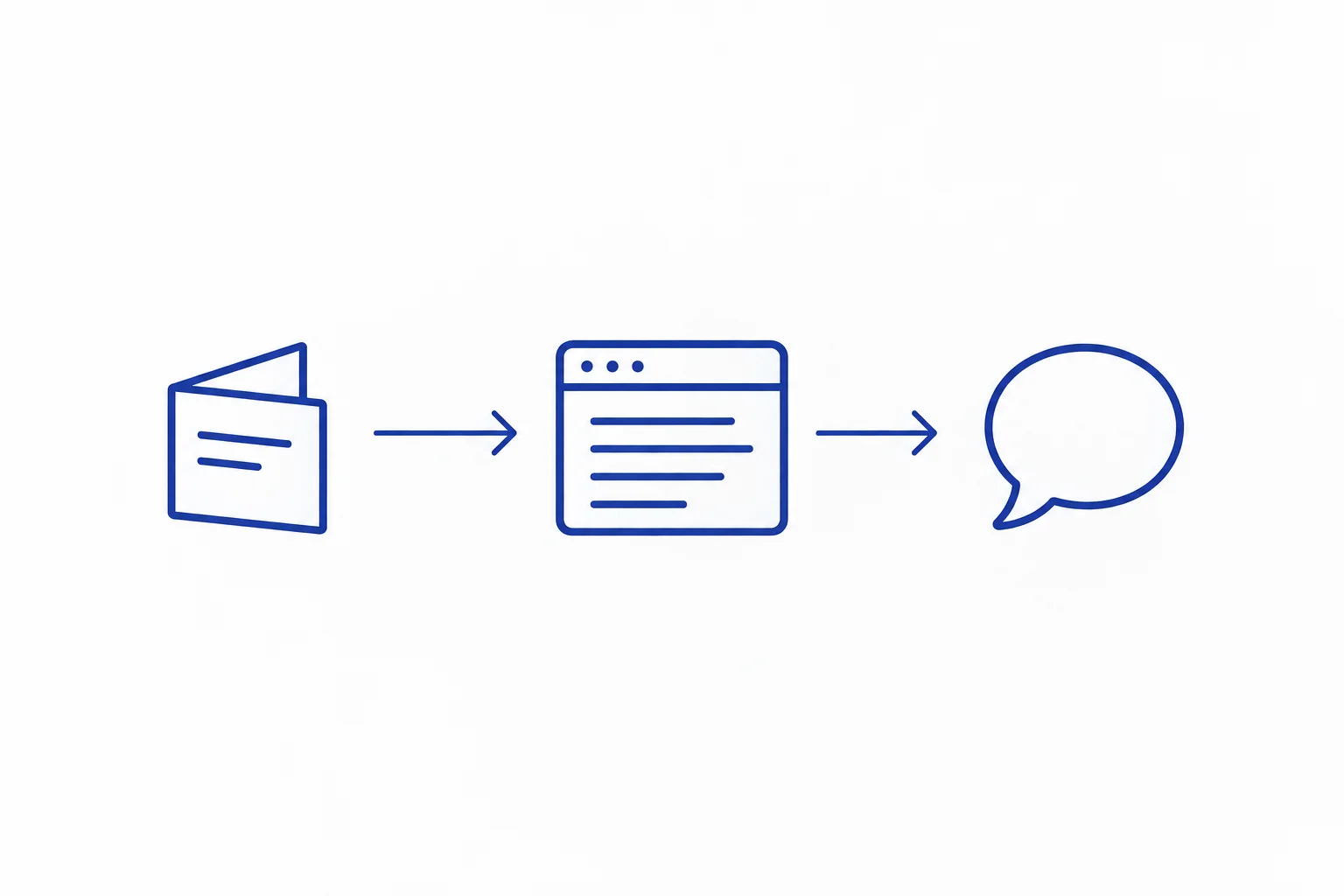
Accurate public details help people recognize the same practice across different places. Use your real business name consistently, keep contact information current, and make sure any Google Business Profile points to the website and phone number for your practice.
These choices offer no guarantee of search placement. They give visitors a clearer basis for judging fit. A visible contact page should explain how to reach you and what to expect after an inquiry.
How often should your marketing go out?
A steady monthly rhythm gives each part of your plan continued attention. Getting noticed, explaining your thinking, making contact easy, and keeping clients close all need a place over time. A burst of posts followed by months of silence leaves long gaps in those conversations.
Choose a pace you can sustain through busy periods. Monthly marketing is a practical recommendation, with room to adjust as you learn what people find useful. It offers no guarantee of growth, and useful communication still takes sustained attention. Keep the focus on covering those four jobs rather than increasing the number of posts.
Your plan should also define what useful progress looks like. Look for relevant replies, substantive questions, inquiries from people who fit your practice, and prospects who mention something they read. These observations give you something specific to consider: whether the subject connected with the intended reader and what they wanted to understand next.

Publication counts tell you whether marketing went out. Views and likes record surface activity. They offer context, but reveal little about whether someone understood your approach or saw a reason to contact you.
Client communication has value even when it produces no new inquiry. A reply that clarifies a misunderstanding or opens a useful discussion can support an existing relationship.
Keep a brief record of meaningful observations over successive months. Note which subjects prompted thoughtful questions, which attracted suitable inquiries, and what clients found helpful. Use those patterns to judge which subjects deserve continued attention, while allowing for quiet months and responses that arrive later.
Who approves your marketing before it goes out?
Your plan should include your review and documented approval of every piece before publication. Read for accuracy and voice: does this describe the help you offer, sound like something you would say, and set expectations you can stand behind? Flag wording that overstates your services or suggests an outcome you cannot promise.
That review is separate from any review required by applicable rules or firm policies. Requirements vary with registration, jurisdiction, communication type, and firm policies. Your approval does not replace required supervisory, principal, compliance, or other firm approval.
For SEC-registered or required-to-register advisers, the SEC marketing rule says covered advertisements must avoid misleading statements and have a reasonable basis for substantiating material factual claims. Treat performance statements as a separate review concern, with attention to applicable presentation requirements and supporting records. State-registered practices must follow applicable state requirements.
For FINRA member firms, retail communications generally require qualified principal approval before use or filing, subject to exceptions.
Include recordkeeping in the plan. Keep published material, factual support, performance calculations where relevant, and approval records as applicable rules and firm policies require. Covered advisers must retain copies of advertisements they disseminate, along with other required records.
What should go out each month?
Your monthly marketing should give people something useful to read and a consistent sense of your practice. Use these seven items as a practical baseline, with four content choices and three qualities that apply across everything.
The content choices are:
- One topic chosen on purpose, tied to a question your intended clients need answered.
- One researched article on your own website, giving that question a considered answer.
- Social posts drawn from the article, each offering a useful point and a path to the fuller explanation.
- A newsletter that keeps your practice in touch with readers.
Across those pieces, check that:
- Every piece says whom you help, so readers can recognize whether it speaks to them.
- It sounds like you, including the language and explanations you would use in conversation.
- You approved every piece before it went out.
This is a recommended monthly baseline. Regulatory obligations and search visibility involve separate considerations.
A shared topic gives the month’s pieces continuity while each format gives readers another way to engage. The monthly marketing checklist gives you a compact reference for checking these seven items against what actually went out.
Where do newsletters fit in the plan?
A newsletter gives you a regular place to explain your thinking and stay in touch with people whose questions change over time. Give it a continuing place in your plan, with subjects tied to what those readers need to understand.
We recommend one newsletter per month as the minimum. Two are preferable when you can sustain quality and consistency: a general newsletter for your broader audience and a client-only newsletter for existing relationships. This is an editorial recommendation, not a legal requirement or a formula that guarantees results.
The general edition helps prospects, referral partners, and other readers understand how you think. It can answer common questions and explain your perspective before someone has a conversation with you.
The client-only edition supports understanding within an established relationship. It gives you room to explain what clients can expect and address questions that become relevant as you work together.
The fuller guide explains how general and client-only newsletters serve different purposes, so each edition has a clear reason to reach its readers. A newsletter is one of several emails a practice sends; the guide to email marketing for financial advisors shows which emails prospects, clients and referral partners need.
Does your plan cover the essentials?
You can do it yourself, hire in-house, or use outside help. The supporting comparison of ways to handle your marketing explores those choices. Whichever approach you choose, your plan should cover the same essentials.
Read through your plan and check that you can identify each of these:
- The people you want to help, including the concerns that bring them to an advisor.
- The message you want them to understand, including your point of view.
- All four marketing jobs: getting noticed, showing how you think, making the next step easy, and keeping clients close.
- How people will find you when they search for help or check your practice after a referral.
- Language that sounds like you and makes clear whom you help.
- A monthly rhythm you can sustain, with useful material reaching readers consistently.
- Meaningful signs of interest, such as relevant replies, substantive questions, and inquiries from people who fit your practice.
- Your approval before publication, alongside any other review required by applicable rules and firm policies.
Use the checklist to compare those intentions with what goes out each month and spot what’s covered or missing.
Questions advisors ask about marketing plans
Do financial advisors need a marketing plan?
Yes. A marketing plan helps a financial advisor keep useful communication going when client work fills the calendar. It connects the people the practice serves with the questions they need answered, gives marketing a steady rhythm, and includes review and approval before publication.
What should a financial advisor marketing plan include?
A financial advisor marketing plan should identify whom you help, what you want them to understand, and how you will get noticed, explain your thinking, make contact easy, and keep clients close. It should also cover findability, voice, a sustainable monthly rhythm, meaningful signs of interest, and approval before publication.
How often should you review your marketing plan?
Review your marketing plan monthly alongside what actually went out and the responses it prompted. Look for relevant replies, substantive questions, suitable inquiries, and helpful client discussions. Use patterns over successive months to adjust subjects and communication, allowing for quiet periods and responses that arrive later.
What are the 5 C's of a marketing plan?
For a solo financial advisor, the five C's are company, your services and approach; customers, the people you help; competitors, other advisors those people might consider; collaborators, referral partners such as CPAs and estate attorneys; and context, the economic conditions, rules and changes affecting your practice and the people you serve.
Sources
- Creating helpful, reliable, people-first content — Google Search Central
- Guidelines for representing your business on Google — Google Business Profile Help
- 17 CFR § 275.206(4)-1: Investment adviser marketing — Electronic Code of Federal Regulations
- Investment Adviser Marketing — U.S. Securities and Exchange Commission
- 2210. Communications with the Public — FINRA
- 17 CFR § 275.204-2: Books and records to be maintained by investment advisers — Electronic Code of Federal Regulations